What It Actually Takes: Lessons from Women Founders Building Food Brands in the Real World
Inside the Hudson Kitchen Alumni Panel — a raw, unfiltered conversation about manufacturing bias, retail strategy, Amazon growth, and finding your people.
MAR 19, 2026
Last Saturday, Hudson Kitchen brought together a group of alumni founders for an honest conversation about building food businesses from the ground up. No glossy case studies. No "and then we got into Whole Foods" highlight reels. Just real talk — the kind that includes ruined batches of tamari powder, crying in front of buyers at Fancy Food, and turning down Sprouts because saying yes would have been a $200,000 mistake.
Here are the lessons that stuck with us most.
1. The Industry Isn't Always Going to Root For You
More than one founder on the panel described facing dismissiveness — from co-packers, from distributors, from buyers — that had nothing to do with the quality of their product. One founder recalled being told, almost verbatim: "You girls are really cute for doing this small business. I don't really see this business going anywhere." Another was told that moving quickly came across as "unintelligent."
But here's what these founders said on the other side of it: you learn to read the room faster. You start to catch the energy of a dismissive partner in the tone of their first email. You stop chasing co-packers who will never respect you and start building a filter for the partners who actually want to see you succeed. And when you find your people — mentors, retailers, fellow founders — that community becomes everything.
2. Farmers Markets and Buyer Conversations Are Two Completely Different Skills
If you've built your brand on farmers markets, you know the magic of that environment. You're face-to-face with your customer, watching them taste your product, having real conversations about their lives. It's personal, warm, and immediate.
Buyer conversations are almost the opposite.
When you walk into a conversation with a Whole Foods or Sprouts buyer, they are not thinking about how much your customers love you. They are thinking about shelf performance. They want to know: how does your product move when you're not there to sell it? What's your velocity? What's your price point relative to the competition? Can you stand out in the aisle next to legacy brands with decades of brand equity?
One founder described pitching at Fancy Food with packaging she'd designed herself in Canva — packaging her farmers market customers loved — only to hear from buyer after buyer that it wasn't shelf-ready. That feedback stung. But it also focused her. She ended up going through three full branding iterations before landing on the version that finally said: this belongs on a premium specialty shelf.
The lesson isn't that farmers markets are less valuable. They're invaluable for proof of concept, customer feedback, and building that early community. But the mindset shift — from "my customer loves this" to "here's why this will move units at velocity in your store" — is a real transition that requires practice, reps, and a whole lot of awkward early pitches.
3. The Best Investment Is Usually Something You Can Reuse Forever
With limited capital and a thousand places to spend it, how do you decide what actually matters?
Two founders on the panel landed on the same answer independently: marketing and visual assets, early.
One team spent $3,000 on lifestyle photography before their product was even in retail. Those photos carried their brand all the way through 2025. Every Amazon listing, every Instagram post, every pitch deck — built on that single investment. When they finally reinvested in new photography last year, they'd gotten more than a year of high-use mileage out of the original shoot.
The principle: invest in things that compound. A great photo can live on a hundred channels. A great brand identity pays dividends every time someone sees your packaging. A co-packing contract with the wrong partner costs you months you can't get back.
Equally important is knowing when something isn't working. One founder spent close to $1,500 a month on a Meta ads agency for six months. The revenue recycled itself — she was making her money back, but not growing. Her audience wasn't building. Her repeat buyers weren't materializing. The moment she shifted to organic Instagram strategy and a social media partner who was focused on genuine relationships rather than paid reach, things changed.
4. Amazon Can Be a Data Engine, Not Just a Sales Channel
One brand on the panel made a deliberate decision to focus almost entirely on Amazon — not because it was the easiest path, but because it gave them something specialty retail couldn't: real-time data.
Their product is shelf-stable, lightweight, and non-fragile (a trifecta for Amazon success). But more importantly, Amazon lets them A/B test callouts, swap assets, and learn exactly what's driving conversions — information that feeds directly back into their retail conversations. When a buyer eventually asks "what's resonating with your customer?" they'll have actual data to answer with, not just intuition.
One campaign tested a single new callout — "Not Sweet" — and produced 80% growth on Amazon just from that change in messaging. That's the power of treating your sales channel like a laboratory.
5. Go Narrow and Deep Before You Go Wide
The temptation to scale — national chains, multiple markets, wide distribution — is real. But the founders on this panel were almost unanimous: before you go wide, go deep in your own backyard.
One brand is intentionally focused on specialty grocery stores in New Jersey and New York City, building genuine relationships with store managers, category buyers, and the community of customers who shop there. They demo at West Side Market. They're regulars at Butterfield Market. They know their buyers by first name and show up with new flavors before any formal pitch.
That foundation is what makes a Whole Foods conversation eventually viable — not just sending a sell sheet cold.
One founder put it plainly: she was invited into the next round of conversations with Sprouts after a strong pitch in Arizona. She declined. The Sprouts model requires national launch from day one, substantial trade spend, and velocity targets that could have put her $200,000 in debt before she'd built any real brand equity. Walking away from that was one of the most strategic decisions she made.
6. Organic Community > Paid Everything
Across every conversation about social media, one theme kept coming back: authentic relationships beat paid reach, every time.
TikTok can amplify your founder story. Instagram is where you actually grow a business. But neither platform rewards you for gaming the algorithm as much as they reward you for building genuine community.
One brand grew their Instagram from 700 to over 1,000 followers from a single giveaway partnership with a complementary brand. They used the yogurt in a recipe video, the other brand shared it, and the overlap in audiences created real growth on both sides.
Another founder's biggest win came from a creator she'd never formally contracted — someone who bought her product at a market, used it in a video organically, and generated a wave of engagement that her own paid campaigns never matched.
The UGC (User Generated Content) strategy that works isn't about finding creators with the biggest following. It's about finding people who genuinely love your product and have engaged, loyal audiences — even if those audiences are 1,000 people deep, not 100,000. One founder is currently in negotiations with a creator who has about a million followers and exceptional engagement. But she built up to that by cultivating smaller, more authentic relationships first.
Cold DMs work. One founder reached out to Fly By Jing — cold — and got a response inviting her to email about a partnership. You never know what's on the other side of "send."
7. There Is No Single "Right" Timeline to Go Big
One of the most honest parts of the conversation was about the leap — or the non-leap — into scaling the business.
One founder structured her business to enable investors — friends and family — to take a stake in the brand since day one. This was her path to launch and set the stage to scale with outside investors in the long run.
Another founder is relying on personal funds and taking the Go Narrow and Deep approach. She started at farmers markets with under 75 units and now makes over 500 units a week, selling in multiple stores, online, and still at farmer's markets throughout the year. Scaling takes time, energy, patience, and [personal] investment. They've made it work by being deliberate and efficient with every move and every dollar.
Proof of concept. Then proof of velocity. Then the leap.
There's no shortcut through that sequence.
Closing Thought
What made this panel special wasn't the tactical advice — though there was plenty of it. It was the honesty about how hard this is, and the refusal to make it look easier than it is.
Building a food brand means dealing with bias and dismissiveness you didn't ask for. It means printing 5,000 bags and realizing you left an ingredient off the nutrition panel. It means watching your tamari powder absorb an entire humid Chicago kitchen and turn into taffy. It means crying in front of buyers and going back the next year with better packaging and a cleaner pitch.
It also means building something you believe in, finding your community, and showing up — at farmers markets, at trade shows, at the commercial kitchen at 6pm after a full day of work — until the thing you imagined actually exists in the world.
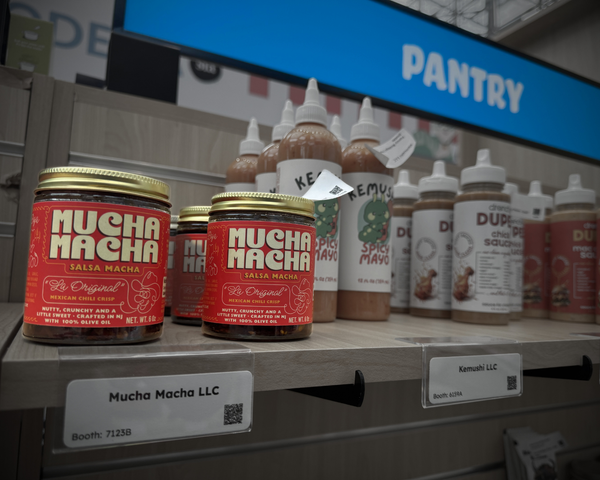
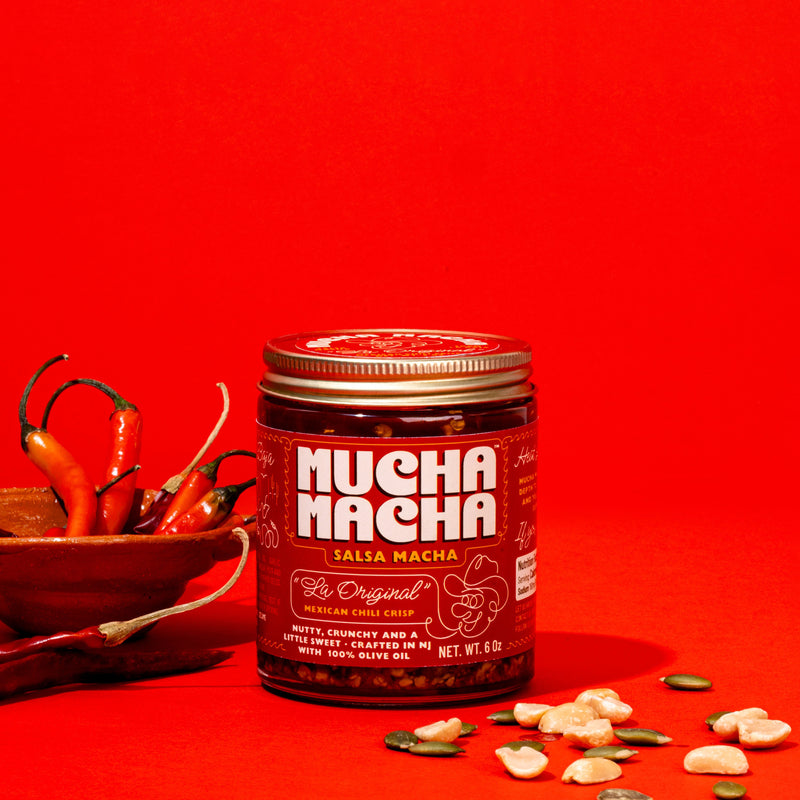
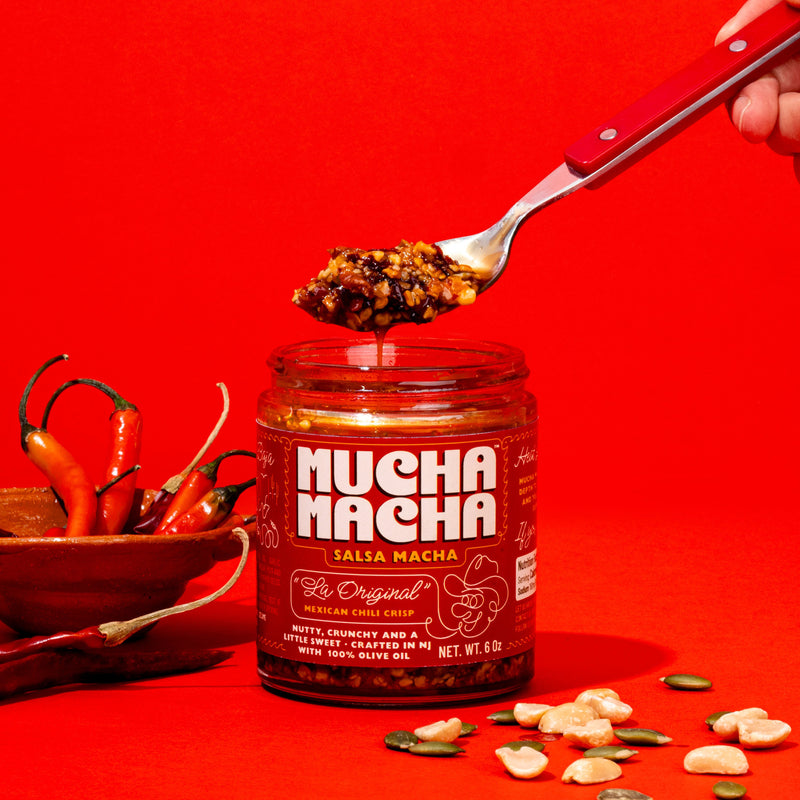
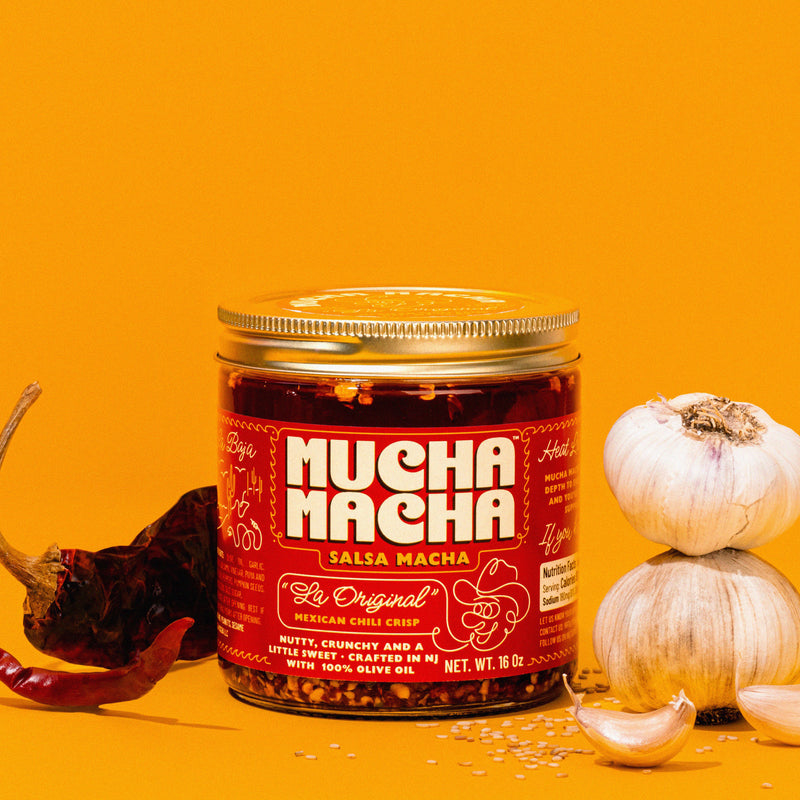
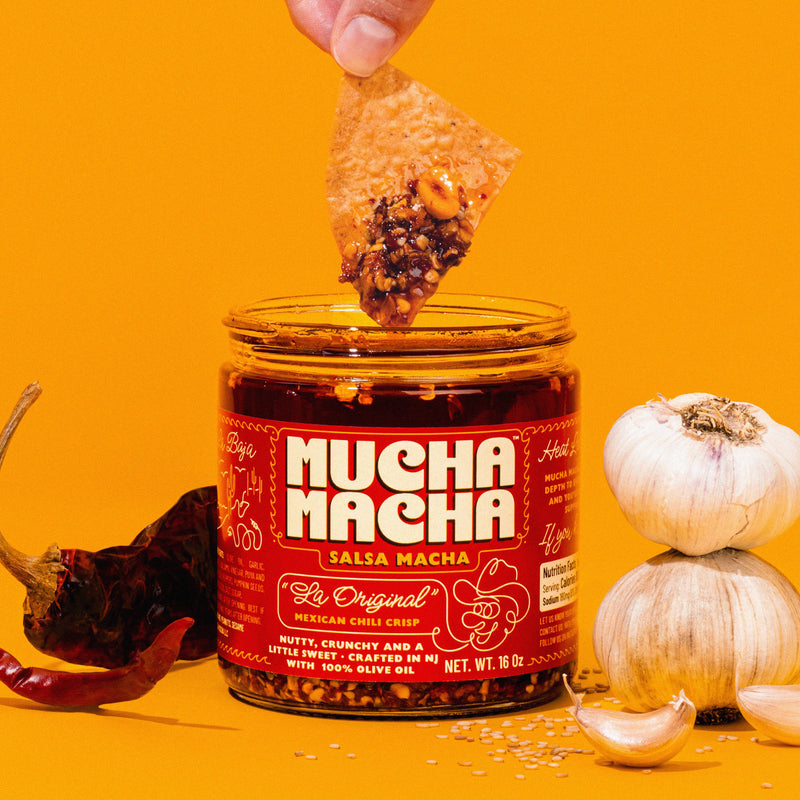
That's what Mucha Macha is about. And it's exactly the kind of story we were proud to sit in the room and hear last Saturday.