Our First Fancy Food Show: What Worked, What Didn't, and Was It Worth It?
We just wrapped our first Fancy Food Show — three days at Javits, 200+ leads, and a lot of hard-won lessons. Here's what worked (the lead-scanner hack, the mini bodega...
JUL 02, 2026I've finally recovered from three long days at our first Fancy Food Show. Before I dive into following up with the 200+ leads we generated — and sorting through the business cards like an adult version of a Pokedex— I wanted to share what went right, what we'd do differently, and answer the question every budding brand asks before they commit to exhibiting: is the Fancy Food Show actually worth it?
What Worked
We hacked the lead scanner. I wasn't sure $500 for an in-person lead-capture app was worth it going in. So we split the cost with a fellow founder, which cut our expense in half and doubled our leads' reach. Worth every penny — not just for keeping contact info and interaction notes organized, but because asking for information directly works. People hand over their details far more readily in person than they respond to a LinkedIn request. Less friction now means easier follow-up later.
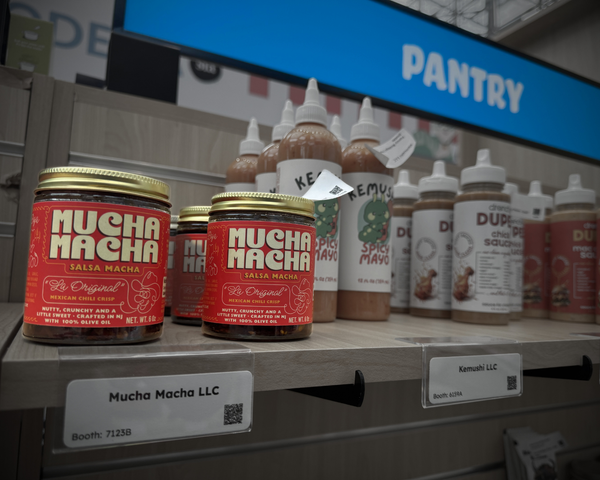
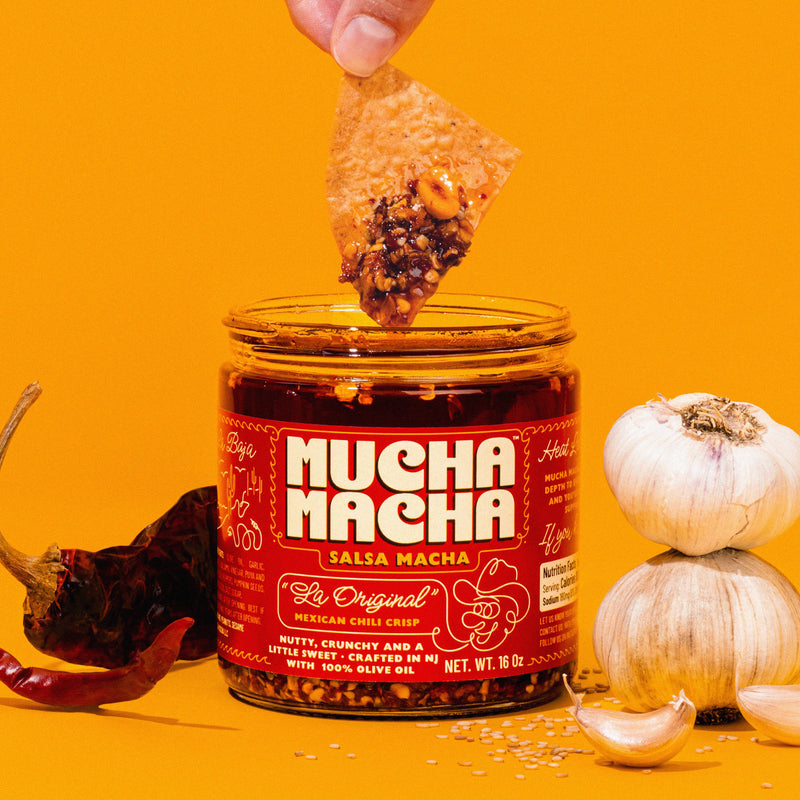
We invested in extra display space. We placed our product in the pantry aisle of the Fancy Bodega mini store environment, letting people discover Mucha Macha the way they'd discover it on a shelf — picking it up, reading the label, forming their own opinion before we said a word. Several people told us they interacted with the product first and then sought us out to talk. Those are high-intent leads, and they're the ones most likely to convert.
We leaned on community. Being part of Hudson Kitchen meant more than just camaraderie with founders fighting the same battles — it's also a signal of credibility. This year, Daramel won Fan Favorite (and $1,000) at the Fancy Face-Off pitch competition, Red Fox Spices won Best in Show from The Kitchn, and Hudson Kitchen's founder Djenaba won the SFA's Equity & Opportunity leadership award. That's a network to learn from, and it brought foot traffic to our corner of the show.
We brought a friend. The Javits Center is enormous, and there are thousands of businesses at every stage — from scrappy local brands to global names backed by serious funding. Having someone hold down the booth let me walk the floor, sample other products, offer ours in return, and see how other brands approach this industry. It also meant I could take a real break now and then — three days solo, staying "on," is genuinely hard.
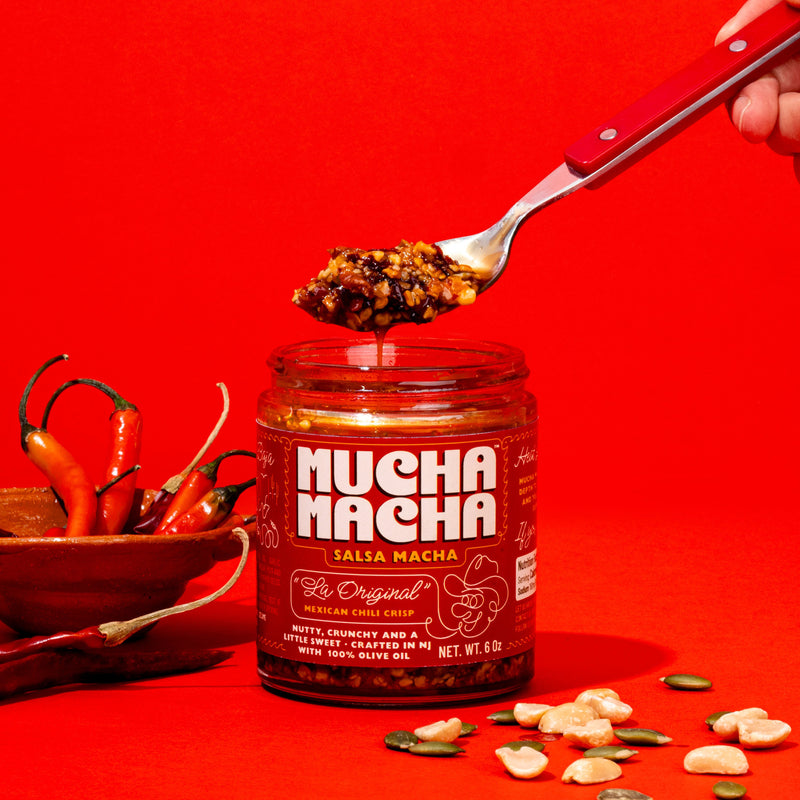
We shared samples with other brands, not just passersby. I came in thinking I needed to be strategic with samples — save enough in case the buyer from my dream retailer showed up. But for a product like Mucha Macha, helping people understand the use case matters more than rationing jars. Partnering with other brands turned out to be the best way to do that. Most people at the show are already curious to try something new, so cross-sampling generated content, unexpected pairings, and customers we never would have reached otherwise. Multiple people told us they wanted to learn more about Mucha Macha after trying it as a topping on a vegan Japanese noodle dish from a neighboring booth I shared a sample with early on. I knew the flavor combination would work — I didn't expect them to like it enough to keep displaying our product next to theirs for the rest of the show.
We stayed curious instead of pitching. Some of my best conversations happened when I was just genuinely interested in where the other person came from, not trying to hand them another sample. I learned about the import business chatting with a French luxury pastry company about macarons — and because I approached it out of curiosity rather than a pitch, the conversation eventually turned into real interest in Mucha Macha. He asked me for a sample, which I hadn't even planned to offer. (A salsa macha ganache macaron might not be as far-fetched as it sounds.) Curiosity matters for any product entering an established category, but it matters even more for products trying to step outside the categories people expect — like breaking out of the catch-all "international" aisle.
We bent a few rules. I set a sample out on the main table at a small breakfast networking event — nothing fancy, just placed it where the first arrivals could see it, try it, and understand a use case without me saying a word. It sparked conversations and connections, and the venue owner himself later stopped by our booth to say he loved the hustle. Other people got creative too — some borrowed or bought spare exhibitor badges just to walk the floor and make connections. You do what you have to do to be in the room.
We played the long game. We know who our target customer is, so we prioritized relationships with people willing to take a chance and grow with us over locking in large volume we can't support yet. Building credibility with the right partners now matters more than maximizing every conversation.
We printed business cards — and they mattered. Even in a digital-first world, people respond to a physical card at a trade show. Food products are tangible but not always convenient to carry home, especially if they're liquid or need refrigeration — a card is the thing that actually makes it into someone's bag.
What Could Have Been Better
More pre-show outreach. The SFA's show platform was genuinely useful — an internal directory and map where you could message attendees, filter by role and industry, and set up meetings in advance. We barely scratched the surface of it. Next time, this is where we'll invest more prep time.
Fewer printed sell sheets. We spent a couple hundred dollars printing sell sheets, and most of them are still sitting in my folder. That money would have been better spent on packaging, product development, or a website that does the job of communicating the essentials when we're not standing there. A smarter approach I saw from other exhibitors: put the sell sheet behind a QR code. It's more sustainable, and it lets you capture buyer details the moment someone scans it.
So, Was It Worth It?
If you've made it this far, you're probably thinking it sounds like we had a great time — but was it worth it? For a first-time exhibitor, budget at least $3,000 in show expenses on the low end, and that's before hotels, flights, or shipping samples ahead of time if you're not local to NYC. Add sponsorships, show advertising, lead scanners, or product placements elsewhere on the floor, and the number climbs fast.
Our honest takeaway: the show is only worth it if you follow up well and actually execute on the leads you generate. Success means investing in relationships with people willing to bet on your product, build something long-term, and care about quality as much as you do.
If that sounds like the kind of partner you're looking for, don't hesitate to reach out.